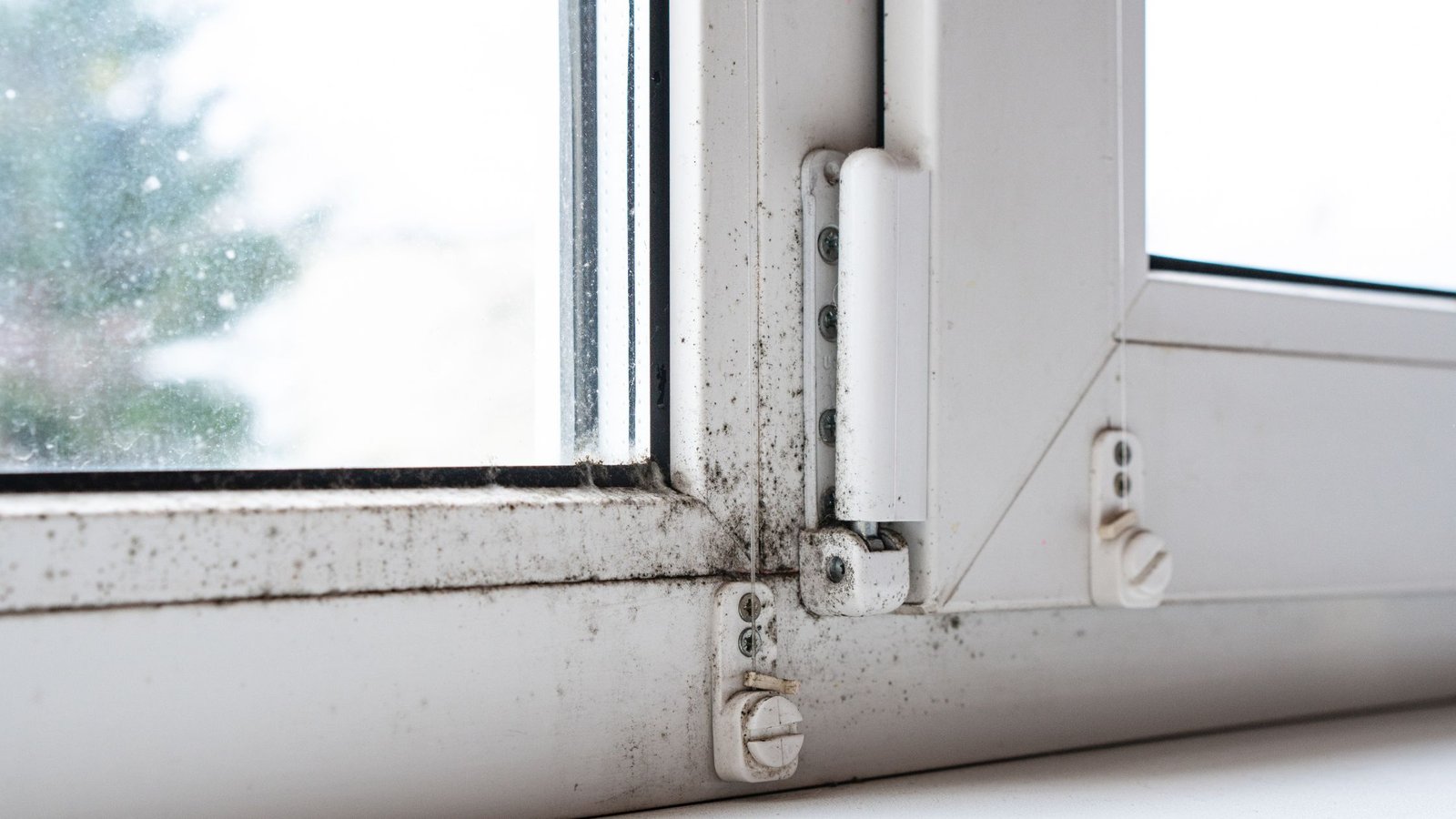

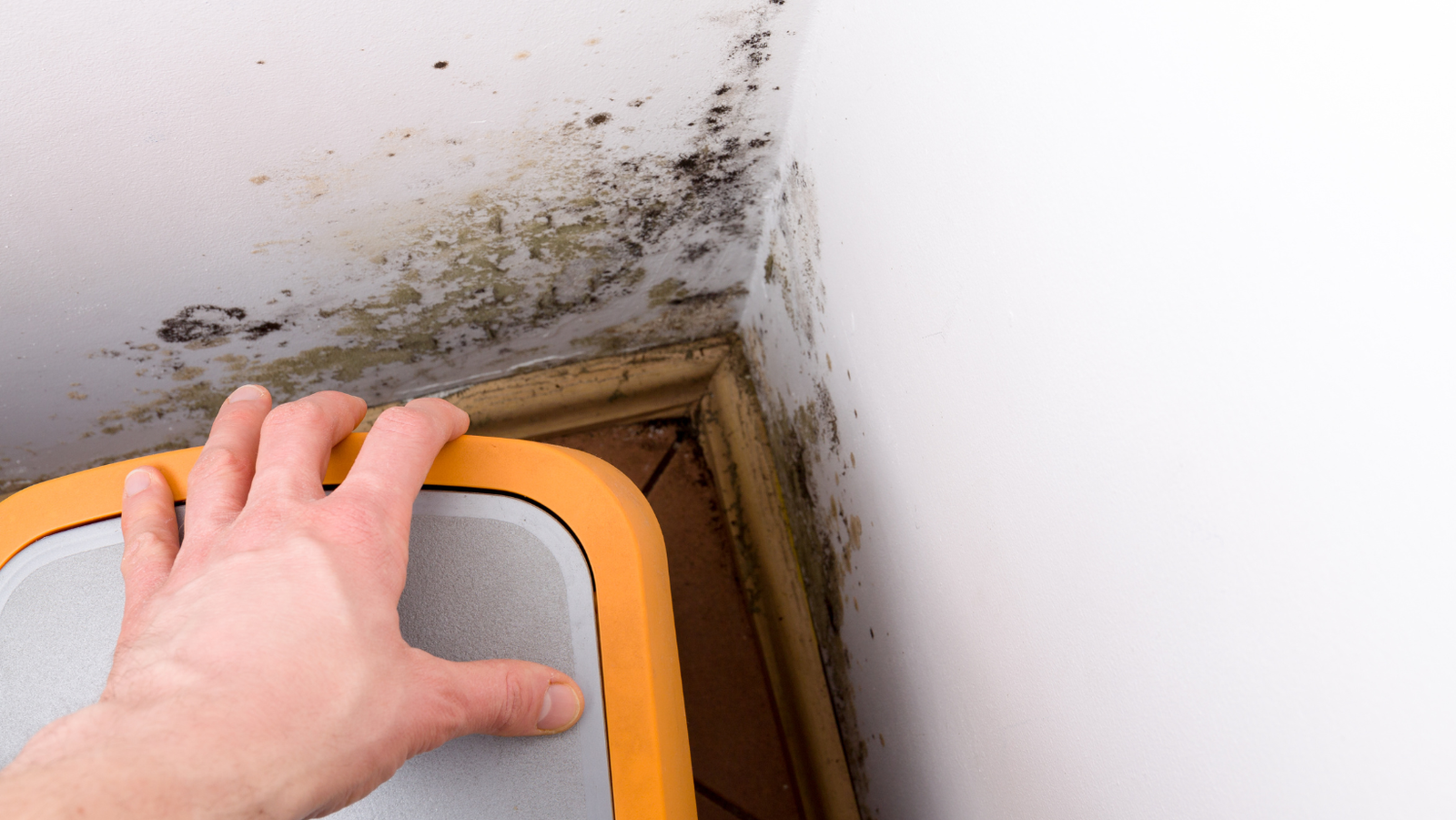
Mold is a very common issue faced by residents of both old and newly built homes. While some people still treat it as a purely aesthetic problem, the damage caused by mold is much broader and more serious — from harming your belongings to affecting your health.
There are many ways to deal with mold. In some cases, you can try handling it yourself, while in others, it’s better to call in professionals. However, mold removal will only be effective if you understand why mold appears in homes in the first place.
Turinio rodyklė
Why is it important to understand the causes of mold?
Mold is a type of fungus that has no place in a home. It grows in fine, thread-like strands that form a web and spreads through airborne spores. Mold can harm your health, damage the structure of your home, ruin belongings and food, and is especially troublesome for people with mold allergies. That’s why it’s important to remove it from your living space as quickly as possible.
If you want not only to get rid of mold but also prevent it from coming back, you need to understand why it “moved in” in the first place. It’s crucial to eliminate the underlying causes — this is by far the most effective way to keep this unwanted guest out of your home.
And if mold has already appeared, it’s important not to limit yourself to simply cleaning the visible spots — that won’t be effective, and the mold will quickly return.
Main reasons why mold appears in homes
Knowing what causes mold will help you take effective preventive steps to stop it from developing. Keep in mind that sometimes you might not see any mold yet, but its smell can already reveal that the problem has started.
Excess moisture in indoor spaces
Why does mold appear when moisture builds up indoors? The optimal humidity level in living spaces is around 40–60%. When it rises above this range, excess moisture can’t evaporate properly — it accumulates and creates ideal conditions for mold to grow. Common sources of indoor moisture include poor ventilation, steam from bathrooms and kitchens, drying clothes inside, and similar everyday activities.
To prevent mold caused by increased indoor humidity, keep an eye on moisture levels and ventilate the rooms if they’re too high. Leave the bathroom door open at night and consider using a dehumidifier to help manage excess moisture.

Insufficient ventilation
If a room isn’t ventilated or the ventilation system is poor, air can’t circulate properly. As a result, excess moisture settles on ceilings, walls, behind furniture, in corners, and around window frames — and eventually, mold begins to grow in these spots. But it doesn’t just grow on the surface. Mold can also spread deeper into materials, such as interior wall layers, where it becomes much harder to remove.
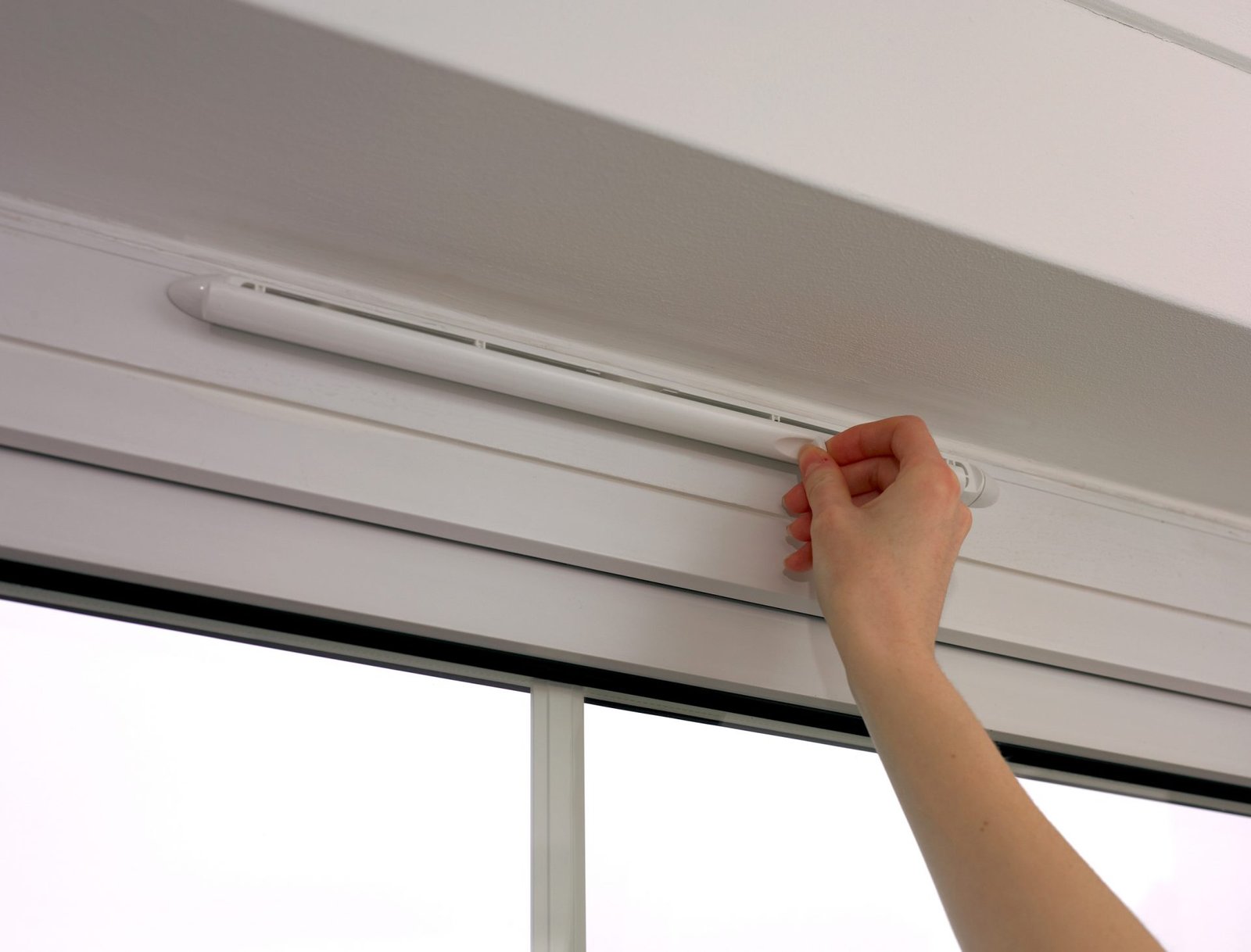
To prevent mold caused by poor ventilation, it’s essential to ensure proper airflow in your home or consider installing a heat recovery ventilation system.
Temperature differences and thermal bridges
When cold outdoor air meets warm indoor air, condensation usually forms. This issue is especially common during the colder months, when outdoor temperatures drop far below indoor temperatures. Autumn can also be a risky period — before the heating is turned on, damp, chilly air tends to seep into the house.
And as we already know: where there is condensation, mold is likely to follow. The most vulnerable areas in a home include window frames, the spaces beneath window sills, and the interior corners of exterior walls.
If you understand how mold develops and want to prevent it from forming for this reason, consider improving your home’s thermal insulation. Sometimes the problem is uneven heating inside the home or the appearance of cold spots — for example, when exterior walls are covered with large pieces of furniture.
Construction defects and unsuitable materials
Mold can also develop as a result of construction flaws or the use of unsuitable building materials. It often appears when there is poor waterproofing in the basement, defects in the walls, improperly installed roofing, and similar issues. These problems allow moisture to penetrate the indoor spaces much more easily.
To prevent mold caused by these types of issues, it’s important to choose professional builders and finishing specialists and to invest in high-quality, properly selected materials. If you live in an older building, you may also need to identify and fix any construction defects.

What to do if you notice mold in your home?
When people discover this unpleasant “surprise” at home, they usually start looking for the quickest way to get rid of it. Most will first reach for whatever cleaning products they already have at home.
Removing mold yourself
If you want to try home remedies for mold, you can start with the following options:
- Vinegar
- A mixture of baking soda and water (either as a solution or a paste)
- Lemon juice
- Tea tree oil
- Hydrogen peroxide
- Laundry soap (household soap)
There are many other options, but these are the most commonly used household remedies. One important rule: when removing mold with home products, you must clean the affected areas thoroughly and let them dry completely. It’s also worth noting that homemade solutions can be effective only when the mold hasn’t spread widely and the affected areas are still small.

Getting help from professional mold removal experts
If you’re unsure whether you can remove the mold yourself, if the affected areas are large, or if you simply don’t want to deal with it and prefer a faster, guaranteed result, it’s best to call professional mold removal experts.
Professionals will inspect the mold, choose the most effective removal methods, and make sure your surfaces and belongings are not damaged in the process. Our team will also advise you on how to prevent mold and what steps you can take to minimize the risk of it returning.
Mold is not just an aesthetic issue, so dealing with it is essential. And for any long-term solution to be effective, the first step is understanding why the mold appeared in the first place.