

Allergy is one of the most common health issues that almost everyone encounters at some point. It can present with mild, barely noticeable symptoms, but in some cases an allergic reaction can significantly worsen daily well-being and quality of life.
Allergies can be triggered by a wide range of factors – from pollen, food, or animal dander to environmental irritants we are exposed to every day at home or in other settings. That’s why it’s important not only to recognize allergy symptoms, but also to understand what causes them.
In this article, we’ll discuss what an allergy is, the most common causes, how to recognize symptoms, and the types of allergies people most often experience.
Table of contents
What is an allergy?
An allergy is an unusually strong reaction of the immune system to certain substances that are normally harmless to the body. These can include pollen, dust mites, mold, pet dander, certain foods or their ingredients, and many others. These substances are called allergens, and their variety is vast, which is why there are many different types of allergies.
The body mistakenly identifies allergens as a threat and begins to produce histamine, which triggers symptoms such as itching, rashes, and other reactions that we’ll discuss later in the article.
Causes of allergies
The development of allergies can be influenced by a variety of internal and external factors. For some people, allergies are linked to genetic predisposition, while for others they are triggered by environmental conditions or constant exposure to allergens. However, the most common causes of allergies include:
- Genetics: if someone in your immediate family has allergies, your own risk is higher;
- Age: allergies can develop at any stage of life, even in older age;
- Environmental factors: polluted air, dust, mold, and other irritants, especially when indoor climate control is poor;
- Exposure to allergens: such as pollen, animal dander, certain chemicals, and similar substances;
- A weakened immune system, which reacts more sensitively to environmental triggers;
- Living in an overly sterile environment, where the immune system doesn’t get enough “training”;
- Spending a lot of time indoors and poor ventilation, which can also contribute to the problem.
Allergy symptoms
Allergy symptoms can vary widely, as they depend on the specific allergen, how the body reacts to it, and the severity of the reaction. However, in most cases, allergy symptoms include the following:
- Sneezing, nasal itching, and a runny nose;
- Red, irritated, watery eyes;
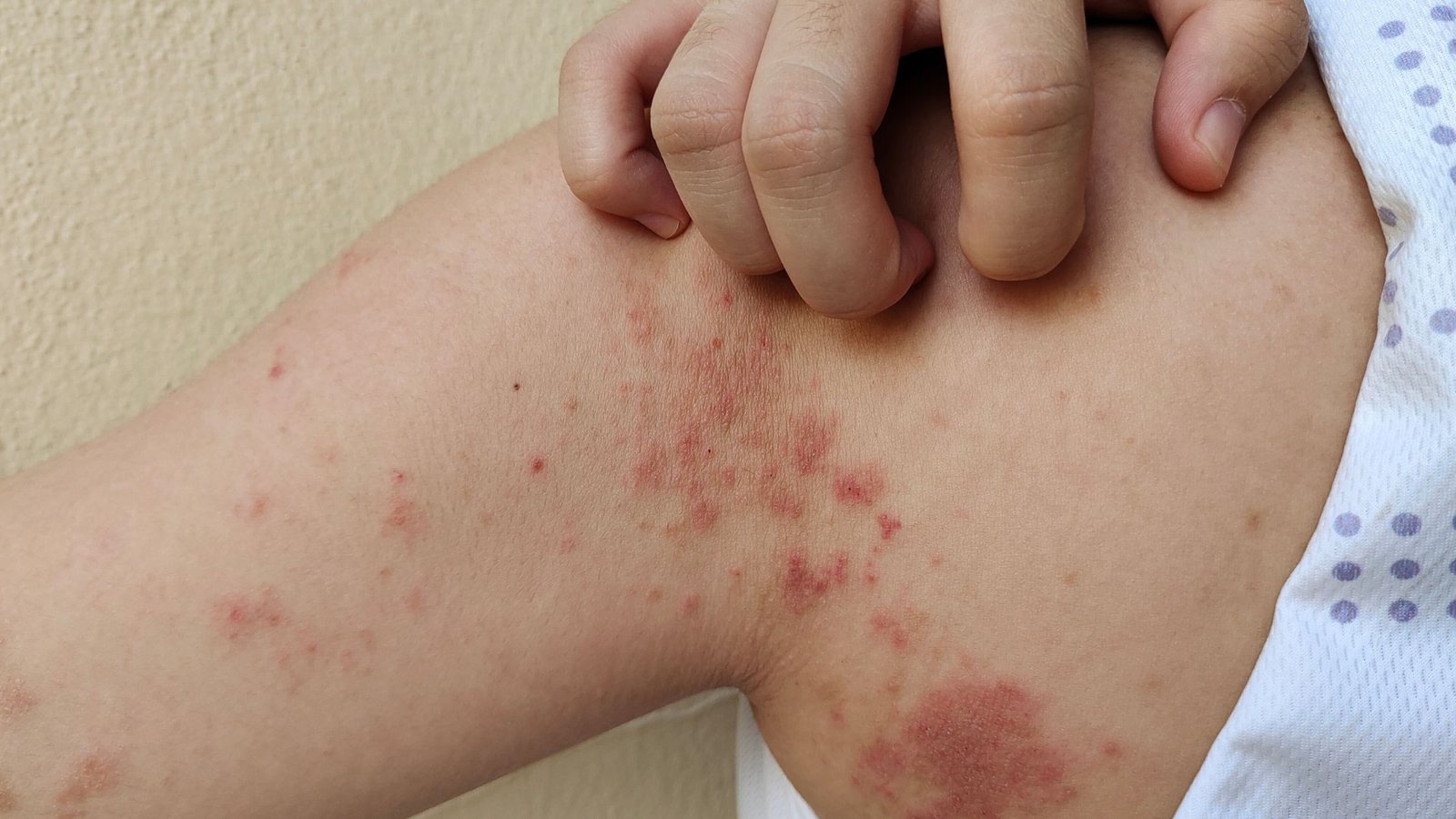
- Skin rashes and itching;
- Swelling of the lips, tongue, eyelids, or other areas;
- Coughing, shortness of breath, wheezing;
- Abdominal pain and nausea (these symptoms are more common with food allergies).
Some symptoms may seem quite harmless, such as sneezing or a runny nose, but others – like shortness of breath or intense itching – can significantly reduce quality of life.
What should you do if you notice allergy symptoms?
If an allergy is related to environmental irritants, it’s important to pay attention to indoor conditions – ventilate rooms regularly, maintain proper humidity levels, and take care of overall indoor air quality.
In cases of food allergies or contact allergies, the main focus should be on avoiding the specific allergen.
If allergy symptoms don’t go away, become more severe, or occur frequently, it’s important not to delay or rely on self-treatment – in such situations, you should consult a doctor. Even symptoms that seem mild at first but persist over time may indicate ongoing exposure to an allergen.
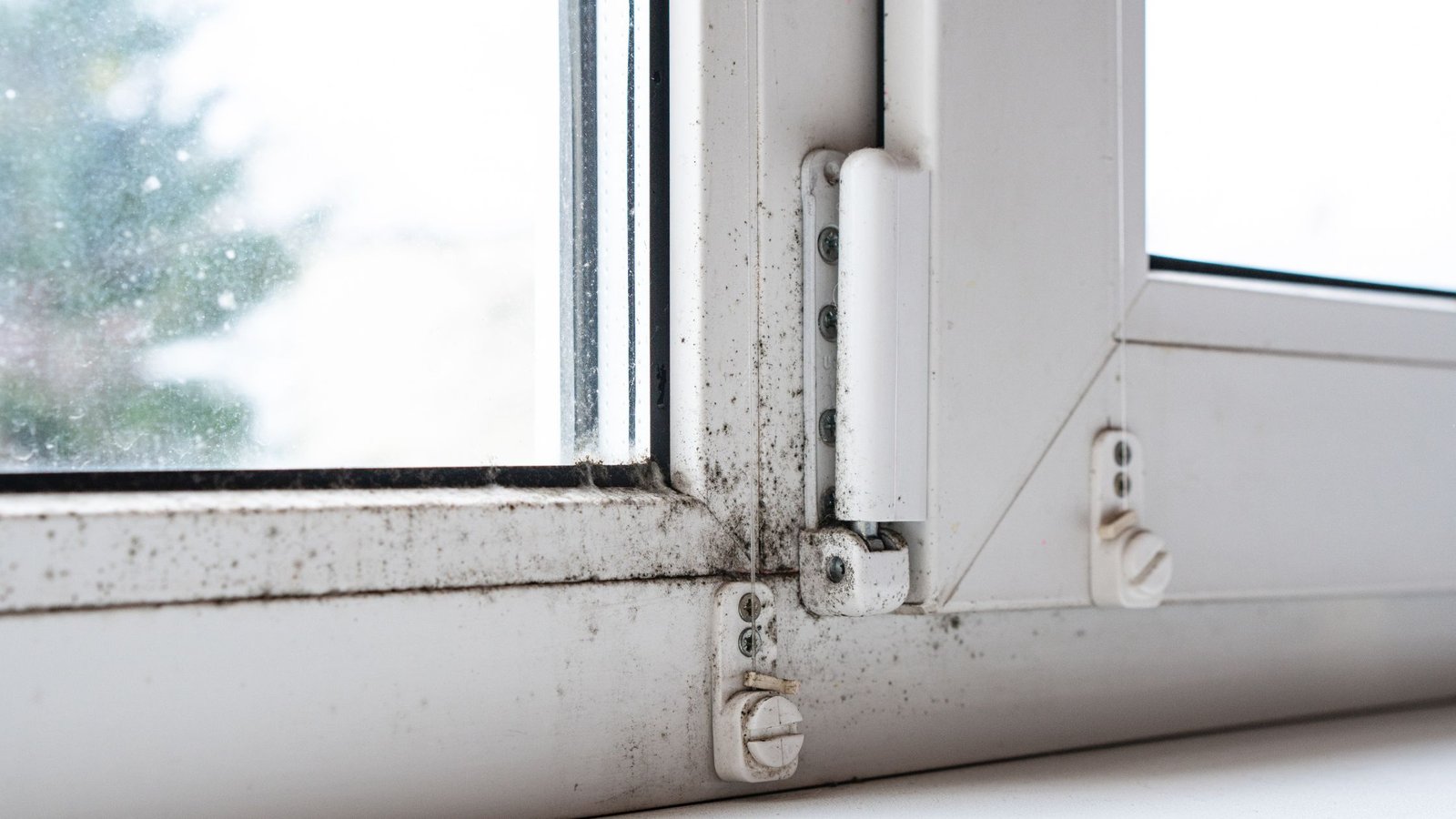
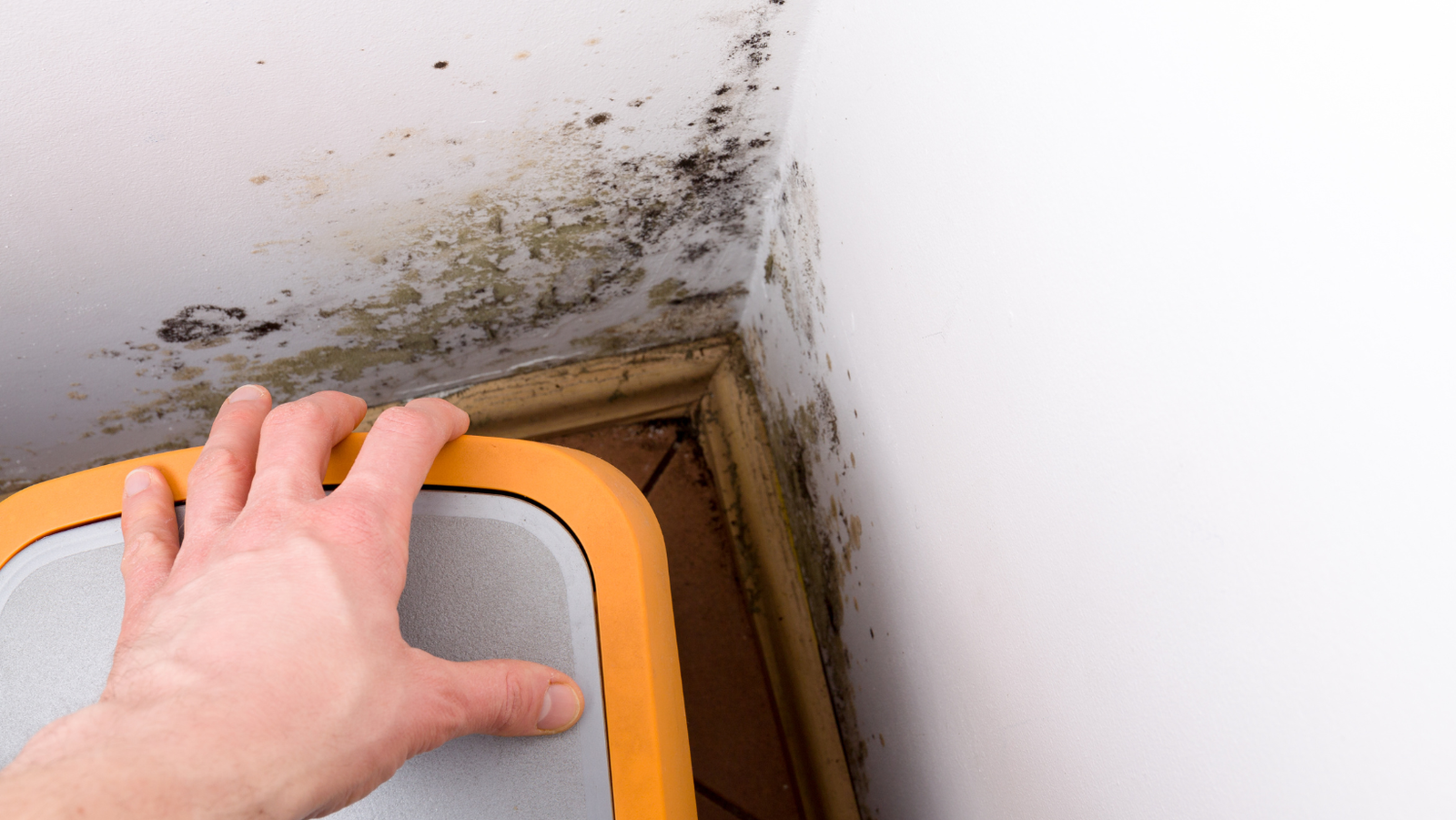
In some cases, the cause of allergies may lie in the living or working environment. If mold allergy is suspected, it’s worth carefully inspecting the premises, especially damp areas. If mold is found, it’s important to contact mold removal specialists, as treating only the symptoms without eliminating the source of the allergen will not lead to long-term results.
How long does an allergy last?
The duration of an allergy depends on its type, the allergen that triggered it, and whether contact with the irritant can be reduced or completely eliminated. In some cases, symptoms may disappear fairly quickly, while in others they can persist for a long time. For example:
- Seasonal allergies usually last as long as allergens such as pollen are present in the environment.
- Contact allergies often clear up within a few days once contact with the allergen is stopped.
- An acute allergic reaction may weaken or completely subside within a few hours.
- Chronic allergies, on the other hand, can last for months or even years, especially if a person is constantly exposed to the allergen in their environment.
Allergy testing and treatment
When allergy symptoms keep recurring or the cause isn’t clear, it’s important to undergo allergy testing and choose appropriate treatment. Allergies are most commonly diagnosed through blood tests, which allow the allergen to be identified with fairly high accuracy and help determine the most effective treatment approach.
Allergy treatment can vary – from nasal sprays, oral medications, or topical creams to relieve symptoms, to more complex solutions. However, for long-term results, it’s essential not only to treat the symptoms but also, whenever possible, to eliminate the factors causing the allergy from everyday surroundings.
The most common types of allergies
Based on the type of allergen involved, allergies are classified into several categories. Below are the most common ones.
Sun allergy
This condition is also known as photodermatosis. It’s fairly easy to recognize – after sun exposure and contact with ultraviolet rays, the skin may become red, develop a rash, feel itchy, and in some cases swell.
Dog allergy
It is caused by proteins released by dogs. This type of allergy can appear just minutes after contact with the animal. Allergens can be inhaled or enter the body through a dog bite or licking. Common symptoms include coughing, shortness of breath, nasal congestion, and red, irritated eyes.
It’s also worth noting that animal allergies aren’t limited to dogs – allergies to cats, rabbits, and other animals are quite common as well.
Pollen allergy
This is one of the most common types of seasonal allergies and is often referred to as hay fever. It usually makes itself known through red, watery eyes, a runny nose, sinus pressure, nasal congestion, and coughing, especially during periods when pollen levels are high.

Cold allergy
Not everyone is aware that this type of allergy exists. It is also known as cold urticaria. As the name suggests, it occurs in cold, damp weather, and for some people it can even be triggered by cold drinks or cold food.
Skin allergies
People with skin allergies usually have a particularly sensitive immune system. Allergic skin reactions can be triggered by proteins found in foods, medications, cosmetics, detergents, and other substances.
Food allergy
In this case, an allergic reaction occurs after consuming a certain food and usually appears immediately or quite soon afterward. Symptoms may include abdominal pain, digestive issues, nausea, and swelling of the airways. The foods most commonly responsible for allergic reactions include chicken eggs, milk, wheat, hazelnuts, celery, and certain fruits such as apples, peaches, and kiwis.

Mold allergy
Mold spores can trigger typical allergy symptoms such as nasal congestion, coughing, and eye irritation. Mold allergy is more common in damp environments. If mold is present in your home or other places where you spend a lot of time, it can significantly reduce quality of life. That’s why one of the most important steps in such cases is proper mold removal.
What’s important to remember
Allergies can present in many different ways – from mild sneezing to significant breathing discomfort. The most important thing is to recognize the symptoms, monitor how often they occur, and identify what triggers them. If allergy symptoms don’t go away, become more severe, or repeatedly appear in a specific environment, it’s wise to consult a doctor and undergo testing. This helps determine the right treatment and prevent ongoing irritation.
Effective long-term control is not only about relieving symptoms, but also about removing the underlying causes from everyday surroundings.