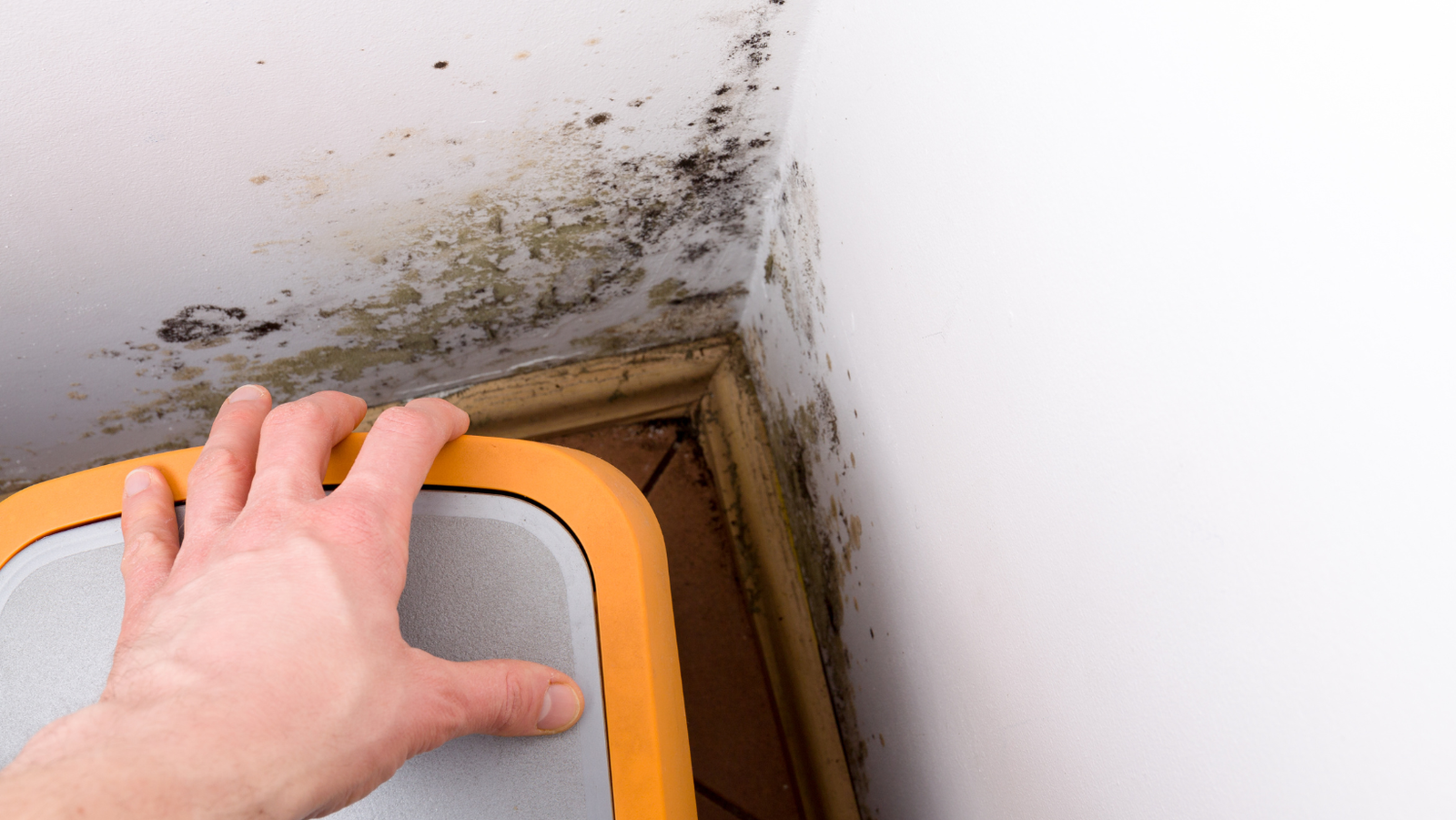

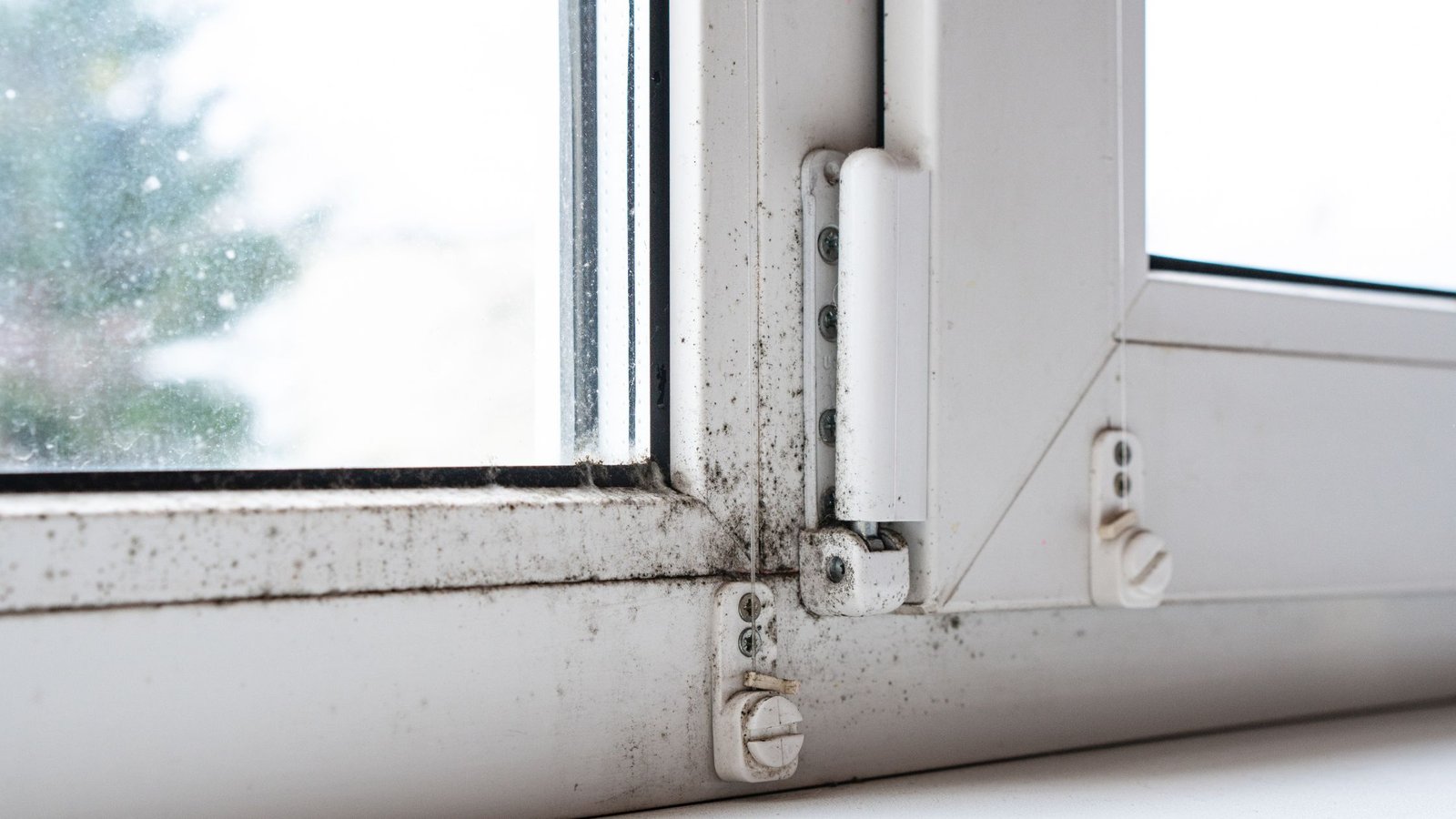
Mold on windows is a common problem during the colder months. It’s not only unpleasant to look at — it can also damage window frames, sealing materials, sills, and even pose risks to your health and overall well-being at home.
However, you can deal with this issue effectively only if you understand why mold forms around windows in the first place and what steps you can take to prevent it.
Table of contents
The main reasons why mold grows on windows
Mold on windows usually appears when condensation builds up on the glass or the window frame. Let’s take a look at the conditions that cause this moisture to form.
High humidity indoors
Mold around windows most often appears because the indoor air is too humid. When warm indoor air comes into contact with a cold surface — in this case, the window frame — the moisture condenses and creates ideal conditions for mold spores to grow.
Poor ventilation
Poor or insufficient ventilation can also contribute to mold forming on windows. When a room isn’t aired out regularly, excess moisture builds up — and that’s the quickest path to mold growth.
Mold on windows from condensation
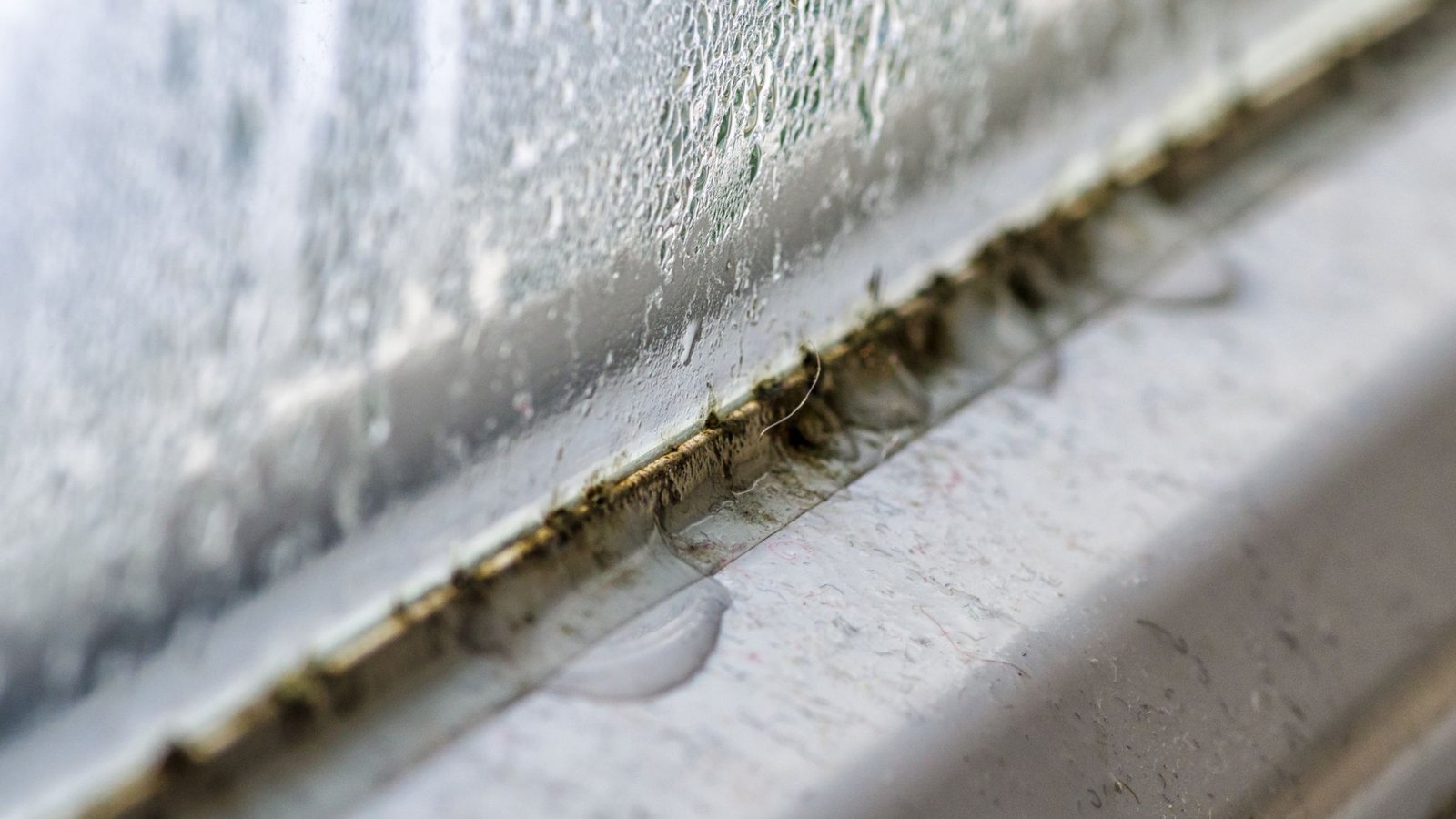
Windows that fog up often are much more likely to develop mold. In the kitchen, this usually happens while cooking or if a kettle is placed near the window. In living spaces, condensation can form when you dry laundry indoors, and in the bathroom — because of heat and steam.
Window defects
Window defects or installation issues can also lead to mold. Poor-quality windows, incorrect installation, old frames, or weak sealing can create cold bridges and allow moisture to accumulate.
Also, if you notice mold forming on different surfaces around the room, it’s a sign that the overall humidity is too high. In this case, you should focus on reducing indoor moisture levels. The ideal indoor humidity is around 50%, and if it goes above that, using a dehumidifier is recommended.
Wooden vs. plastic windows: which ones are more prone to mold?
Both wooden and plastic windows can develop mold, but the conditions that cause it — and how often it appears — can differ between the two. Let’s take a closer look.
- Wooden windows. Wood naturally absorbs moisture — and in this case, that becomes a problem. Mold can grow deep into the wood, making it very difficult to remove. Mold on wooden windows usually appears because the wood is old, worn out, not impregnated, or when condensation drips onto the wooden surface. A damaged layer of paint or poorly sealed corners can also contribute.
- Plastic (PVC) windows. Mold on plastic windows usually forms due to poor ventilation, high humidity indoors, cold bridges, or condensation. PVC windows are very airtight, which means there’s little natural air circulation. The most vulnerable spots are the sealing rubber, the corners of the windowsill, and the edges of the plastic frames.
While any window can develop mold if the conditions are right, plastic windows tend to get moldy more often. However, mold on wooden windows is much more problematic — it can penetrate deeper into the material, making it harder to remove.
How to remove mold from windows
First, check how much mold has formed on the windows — is it just a small spot, or has it spread over a larger area? If the affected area is small, you can try removing the mold using simple products you already have at home:
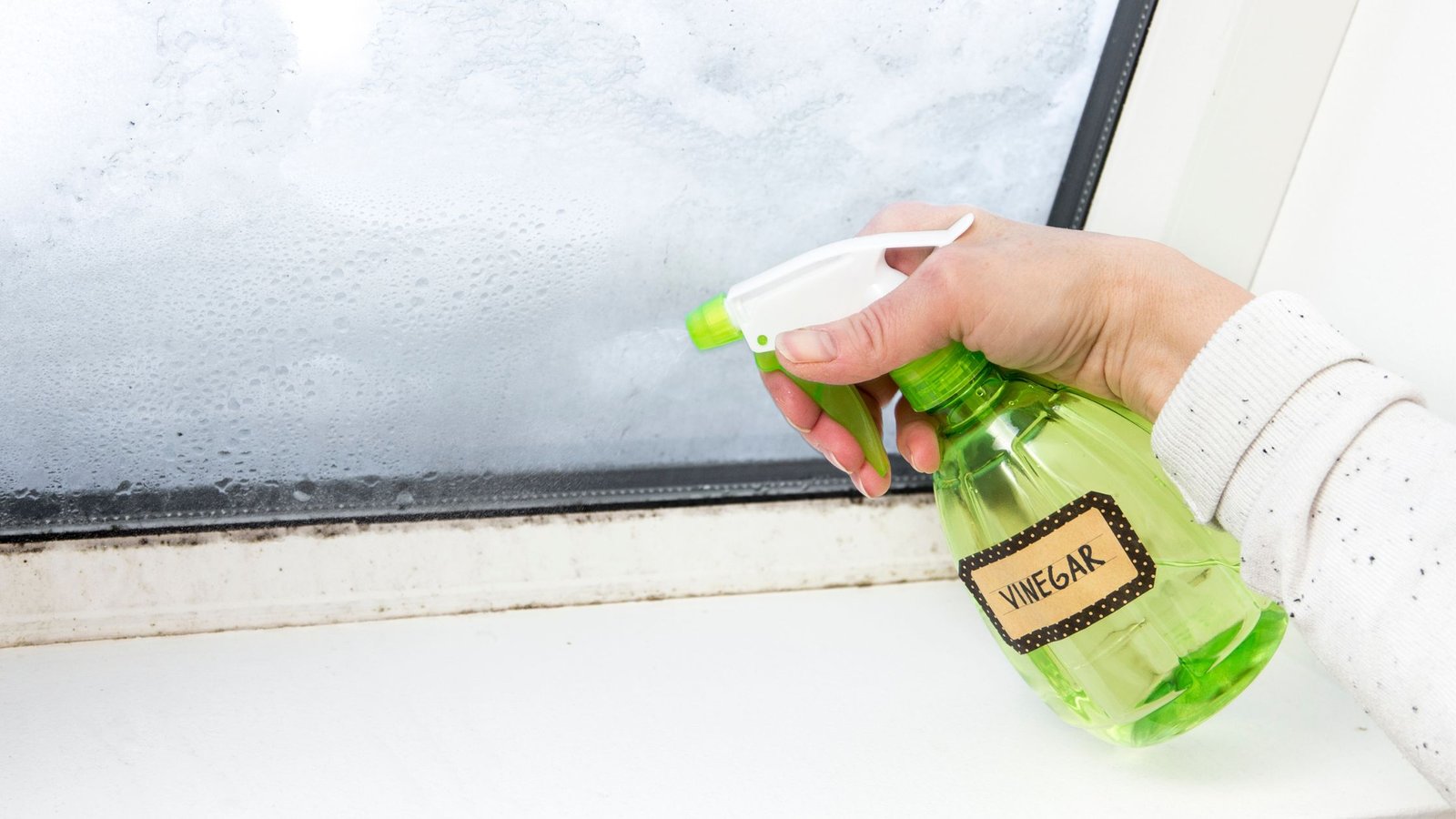
- Disinfect the area. You can use a vinegar solution (mix it with water in a 1:1 ratio), hydrogen peroxide, or specialized mold-removal products. Clean not only the visible mold spots but also the surrounding area, and then make sure everything is thoroughly dried.
- Remove excess moisture from the room. Wipe off any condensation that collects on the windows, and ventilate the space 2–3 times a day. If the humidity is high, use a dehumidifier to keep moisture under control.
- Wipe down the windowsills and the window seals. Mold often absorbs into the rubber seals, so cleaning and maintaining them is especially important.
How to keep mold from coming back
As mentioned earlier, excess moisture and poor ventilation are two of the most common reasons why mold appears on windows. To minimize the conditions that cause mold, you can take a few simple — but very effective — steps:
- If you want to get rid of mold for good, the two most important factors are proper ventilation and keeping indoor humidity low. Don’t be afraid to open the windows for a few minutes even in winter — you won’t lose much heat in such a short time, but the rooms will get a boost of fresh air and balanced moisture. Whenever you notice condensation on the windows, wipe it off immediately, dry the area, and try to identify what’s causing the moisture buildup. Ventilation also helps reduce condensation. Use a humidity meter and a dehumidifier to keep humidity levels under control.
- Clean your windows and frames regularly to remove built-up dirt, dust, and moisture. Use a soft damp cloth or a dedicated window cleaner if you prefer. Just make sure to dry the window thoroughly afterward — that part is essential.
- Check the drainage system around your windows from time to time — it’s important to make sure water isn’t accumulating near them. Clean gutters and downpipes regularly to keep everything flowing properly.
- Good insulation around the windows is important, but make sure you use proper sealing materials designed for this purpose.
According to the Be pelėsio specialists, one common mistake people make is keeping too many plants on the windowsill. “A very typical issue is placing lots of plant pots on the windowsill — plants release moisture as they ‘breathe,’ which leads to even faster condensation on the windows during the colder months.”

What to do if mold keeps coming back?
If you clean the mold but it keeps coming back after some time — or if you simply can’t get it under control — it’s worth contacting professional mold removal specialists.
Our team will assess the situation professionally and recommend an effective, long-lasting solution. Protect not only your windows but your entire home from mold — it can cause far more damage than you might think.